A figure, not an adjective, is what fabric weight actually is
Streetwear product copy renders cloth as a set of feelings: heavyweight, premium, substantial. On its core pieces, That’s A Awful Lot Of Cough Syrup does something more useful and prints an ounce figure. What that figure measures in US apparel is how much a fixed area of fabric weighs, so higher means denser cloth. Because the cloth carries more weight, it holds its shape longer, stands up to collar stretch and carries a thick screen print without ink reading through. It likewise cough syrup tee costs more, and it wears warmer, which no product page mentions. What a weight cannot tell you is yarn quality, dye stability or how the seams are bound.
What That’s A Awful Lot Of Cough Syrup actually publishes
154 products make up the catalogue, and the material detail is uneven from one to the next. On a few core styles you get the full specification: an ounce weight plus a fiber breakdown. Others go no further than the fiber breakdown. Neither number appears on many pieces, which is normal enough for accessories but worth knowing before comparing pieces. It is the classics that are documented, and seasonal graphics inherit the same construction language without repeating the numbers. Anyone shopping alocs clothing on specification rather than artwork should start there.
Organic cotton jersey: the 6.5 oz classic tees
The Classic Cough Syrup T-Shirt is published as a 6.5 oz 100% organic cotton relaxed-fit tee with jumbo screen prints front and back and a yellow woven label at the hem. In jersey terms it sits mid-to-upper, above the four-ounce cloth used for cheap blanks and below eight-ounce boxy heavyweights. You should expect it to drape rather than cling in wear, stay opaque over a dark waistband and take a wide print without curling. Repeated washing does less to it than it does lightweight jersey. At about $150 at the brand’s own store as of September 2026, the classic tee sits in a band that moves. The remaining tees carry 100% cotton with no weight, and a few are described as lightweight jersey rinsed for a vintage feel.
The 16 oz hoodie and the 14 oz sweatpants: heavyweight fleece
Published copy for the Classic Cough Syrup Hoodie reads 16 oz 100% organic cotton, hand-dyed and printed in Los Angeles, with the yellow woven label at the wearer’s bottom left. Heavy fleece in the real sense is what sixteen ounces means, well above mass-market hoodies and above most premium cut-and-sew work. It is stiff out of the box at that density, breaks in over months and holds a structured shoulder. The Classic Cough Syrup Sweatpants use different cloth: 14 oz fleece of 80% cotton and 20% recycled polyester. The polyester content holds off the knee and seat bagging pure cotton fleece develops. What you have is two weights and two fiber mixes across the set, both about $200 at the brand’s own store as of September 2026.
Denim: the 14 oz Double Cup Cargo Shorts
The Double Cup Cargo Shorts are the only product in the store’s denim collection, published as mid-rise 14 oz denim garment-dyed through a double dye process meant to mimic sun-fading. Unusually specific construction notes are given: double-layer double cup pockets at the back, cargo pockets at the side, button fly and a custom leather patch. Fourteen ounces counts as mid-heavy denim, above most fashion denim and short of raw denim’s twenty-ounce range. Structure is what that weight buys on a short: the leg stands off the thigh and empty cargo pockets keep shape. The waist sizes run 28 to 44, and flat measurements start at 29.5 inches on a small. Fiber content for the denim is never published, only the weight.
Cotton-poly workwear and the Dickies pieces
On the workwear styles the published detail flips to a fiber breakdown with no ounce weight. The button-down is based on the Dickies 1574 work shirt in the same 65/35 blend. 65% cotton and 35% polyester makes up the Cough Syrup Dickies Jacket, which is fully lined, with two welt pockets and a pencil pocket on the sleeve. Polyester holds a crease, resists abrasion and limits shrinkage, which is why that ratio is the workwear standard. As the base garments are a known industrial pattern, construction is documented by the body even without a weight. The jacket runs around $350 at the brand’s own store as of September 2026, which puts these at the top of the ladder.
Boxers, tanks and socks: the blends in the accessories
The smaller pieces carry composition without weight, the normal convention in these categories. Cough Syrup Boxers are published as 95% cotton and 5% elastane with a logo woven waistband, made in Los Angeles. What keeps a mid-rise boxer from riding up is that five percent, and it is the component most likely to degrade first. The Cough Syrup Socks get described only as a cotton blend with no percentages, the least specific claim in the catalogue. Removing short fibers before spinning gives a smoother yarn, which is what 100% combed cotton means on the tank tops and crop tops. None of them carries an ounce figure, so nothing can be compared across brands beyond the fiber list.
The published figures, gathered in one table
Collecting the figures in one place makes the gaps visible faster than reading product pages one at a time. Every line below comes from the brand’s own published copy as of September 2026. Where a cell records that a figure is not published, that is a statement about the catalogue, not an estimate. Interpretation sits in the right-hand column, offered as context for what each number does in wear. Check a current page before buying on a number, because weights can change between production runs without announcement. The table shows four classic styles documented and little else.
| Piece | Published weight | Published fiber content | What that weight means |
|---|---|---|---|
| Classic Cough Syrup T-Shirt | 6.5 oz | 100% organic cotton | Mid-weight jersey, opaque; takes a jumbo print |
| Classic Cough Syrup Hoodie | 16 oz | 100% organic cotton | Very heavy fleece; stiff when new, long break-in |
| Classic Cough Syrup Sweatpants | 14 oz fleece | 80% cotton / 20% recycled polyester | Heavy, with recovery that works against knee bagging |
| Double Cup Cargo Shorts | 14 oz denim | No composition published | Mid-heavy; leg and pockets hold structure |
| Dickies jacket, shirts and pants | Not published | 65% cotton / 35% polyester | Workwear blend; abrasion and crease resistance |
| Cough Syrup Boxers | Not published anywhere | 95% cotton / 5% elastane | Stretch to fit, not to add mass |
| Tank tops and crop tops | No weight published | 100% combed cotton | Smoother yarn and less pilling |
| Cough Syrup Socks | Not published | Cotton blend, no percentages | Nothing to compare; judge by hand |
Where the garments are made, and how
Made in Los Angeles appears repeatedly in product copy, and on some pieces goes further. Described as hand-dyed and printed here in Los Angeles is the Classic Hoodie, with tees screen-printed in Los Angeles and one tee handmade with a rough stencil print. Variation between units is what hand-dyeing produces, so two hoodies in one colourway are not guaranteed to match, and that is the most practical consequence here. The process produces it; it is not a fault. Consistency comes from the yellow woven label, at the hem on tees and at the wearer’s bottom left on the hoodie. No mill, factory or supplier is ever named, though product copy also calls the company a Black-owned business.
What the brand does not publish
The part that matters most before you spend $200 on a hoodie comes next. Washing or care instructions are not published anywhere: not on product pages, not in the FAQ, and not on the sizing pages, which render without content as of September 2026. There is no global size chart, and fit guidance is per product and not uniform: some tees run true to size, others one or two sizes small. No independent lab test, shrinkage measurement or durability report has been produced for any of these fabrics, by the brand or by anyone else. The 16 oz figure is therefore a manufacturer’s specification nobody outside the company has verified. Searches for care guidance on thats a awful lot of cough syrup pieces return nothing, because nothing has been written.
Using the spec sheet without over-reading it
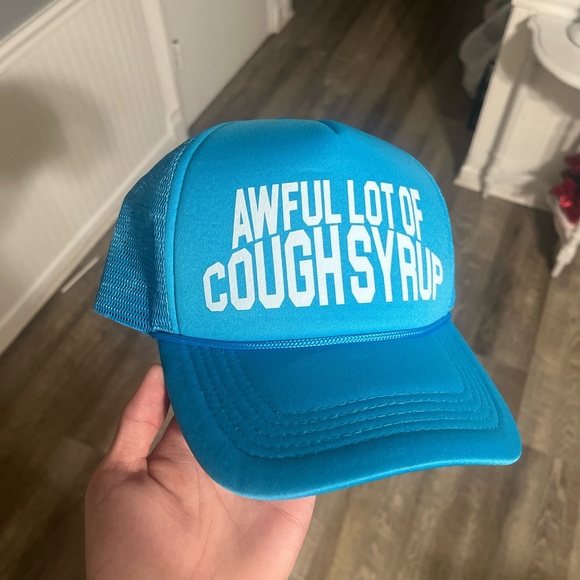
Four numbers, 6.5, 16, 14 and 14, are the whole of what this brand quantifies. Many labels in the same band commit less than that to writing. Checkability is what makes them useful: a 16 oz hoodie feels unmistakably different in the hand from a ten-ounce one. The cheapest counterfeit test going is right there, because a copy sold at a third of the price is not cut from sixteen-ounce organic fleece. The published weights, the Los Angeles production claim and the garment in front of you are the grounds for judging cough syrup clothing, and the rest stays open. How seams are finished, or how a print holds after twenty washes, is not something they can tell you about awful lot of cough syrup pieces.