Reviewing the Righteous Clothing Line: Is It Worth the Hype?
Since search interest surrounding We Are Righteous has risen consistently: does the brand actually deliver, or is savvy promotion outpacing the real product? What follows digs into what the label represents, how the clothing holds up in real use, and where it compares to other streetwear brands people put it alongside. Cutting out filler and hollow praise — just a straightforward assessment built from what the brand communicates about itself and what shoppers consistently report.
We Are Righteous positions itself as more than a clothing line. The brand leans into faith-driven messaging, turning garments into a medium for identity and belief as opposed to simply seasonal trends. This focus is significant since it influences all aspects, from the graphics on a righteous hoodie to the tone of the brand’s product descriptions. If you’re shopping for something purely trend-based, the message-driven approach may fall flat. Should you want garments that communicate something particular, it’s a whole different story.
What Exactly Is Righteous Clothing?
The concept behind Righteous clothing is straightforward: streetwear shapes carrying faith-rooted visuals and text. Outerwear, tees, and hoodies form the core of the lineup, with designs that lean toward bold typography and expressive imagery over subtle logo work. It’s not a low-key essentials brand — every piece is meant to communicate something the moment someone sees it.
The brand’s positioning taps into a niche that has expanded significantly over the past few years: faith-based streetwear. Different from typical faith-based clothing brands that depend on scripture references and church-merch aesthetics, We Are Righteous brand design draws more heavily from contemporary streetwear conventions — oversized fits, heavyweight fabrics, and graphic placement that resembles what you’d see from mainstream hype labels. That blending of styles is part of why the brand keeps showing up in comparison searches in the same breath as bigger streetwear names.
Drops are typically limited, not ongoing, which builds anticipation but also means restocks aren’t guaranteed. For shoppers used to fast fashion’s endless availability, this can be something to get used to. For shoppers well-versed in drop-style releases, logo tee it’s a recognizable pattern that reinforces the brand’s collector appeal.
Quality: What Shoppers Actually Notice
Talk about quality across apparel brands tend to center around three things: fabric weight, stitching durability, and print longevity. With righteous apparel, hoodies are the item people talk about most, and the overall feedback points to a heavier-than-average fabric blend that holds shape after multiple washes. That added thickness is an intentional decision — it suggests a elevated feel rather than a flimsy, factory-standard hoodie that wears down quickly.
Print quality is another critical element. Labels built around bold graphics succeed or fail by the extent to which the artwork survive frequent laundering. Cracking, fading, or peeling prints are what most rapidly damages consumer trust, and this is the aspect most reviewers scrutinize first. Online, honest review threads often note that the graphics stay intact fairly well when laundered per the care label, though cold, inside-out laundering extends the print’s life considerably, as with most screen-printed or puff-print streetwear. Graphic durability is the second major factor, since graphic-heavy brands live or die by whether the artwork withstands frequent laundering, and graphics that crack, fade, or peel remain the quickest route to eroding buyer confidence—it’s the area most reviewers scrutinize first.
Because sizing runs true to the loose streetwear standard, shoppers who expect a tailored look will need to size down. That’s standard among most streetwear-adjacent labels, so it’s not a cause for concern unique to this label — it’s just a design philosophy purchasers need to know before ordering before placing an order.
Examining Cost Against Value
How value is perceived consistently hinges on the tier a brand is positioned within. We Are Righteous occupies the mid-tier streetwear segment — costing more than fast-fashion staples yet less than premium designer streetwear team-ups. This in-between placement is deliberate. Because of this positioning, the brand can lean into thicker fabrics and more elaborate graphics, compared to what a budget label offers — without losing a younger, trend-conscious crowd not willing to spend designer money on a hoodie.
Beyond that, scarce drops shift how value is read. For over a decade, streetwear culture has counted on the way limited supply usually fuel resale demand and brand loyalty. Whether this scarcity model is “worth it” comes down to individual preferences — a person who prizes rarity will view the model as a plus, while a shopper hoping for reliable restocks might find it irritating.
Where the Righteous label Measures Up to Other Streetwear Names
To give you a clearer sense of We Are Righteous’s place in the market, consider how it stacks up against a couple of categories it’s frequently compared to: hype-focused streetwear names and long-standing religious apparel labels.
| Consideration | We Are Righteous | Trend-led Street-fashion Buzz Labels | Traditional Religious Clothing |
|---|---|---|---|
| Design Approach | Faith-driven statements with streetwear silhouettes | Hype-led, rotating designs | Bible-quote-filled, church-merch vibe |
| Fabric Weight | Sturdy pullovers and t-shirts | Varies widely by label and price point | Often less substantial, budget-focused fabric |
| Availability Model | Scarce drops, restocks uncertain | Scarce releases, intense resale interest | Typically readily available |
| Pricing Tier | Moderate street-style pricing | Moderate-to-premium, typically inflated by buzz | Low-to-mid cost |
| Target Buyer | Belief-driven, style-conscious customers | Trend-chasing, buzz-motivated buyers | Church communities, everyday religious apparel buyers |
This breakdown drives home a single point: We Are Righteous holds a distinct niche instead of chasing every category. While keeping the principled core long tied to faith apparel, the brand adopts the release cadence and material quality that mainstream streetwear is known for. That hybrid identity is arguably its biggest differentiator in 2026’s crowded apparel market.
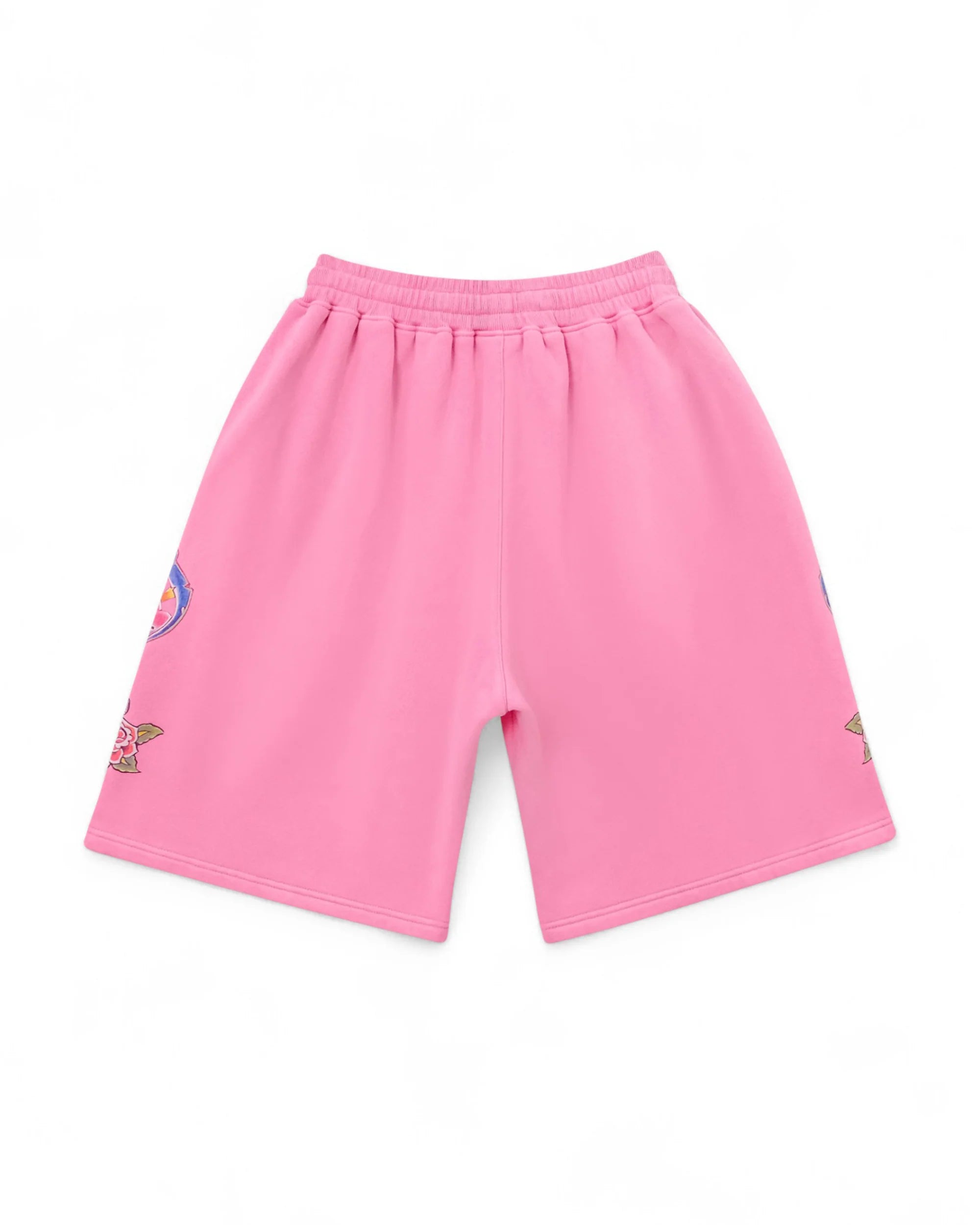
Righteous Apparel — Is It a Good Fit
Not all brands suit every shopper, and being upfront about that matters more than blanket praise. People hoping to express their faith in a contemporary yet practical way will find Righteous clothing suits them best — instead of old-school graphic tees, it’s built on pieces that could easily be taken for premium streetwear at first glance. When style and conviction both matter, this brand closes that gap better than the majority of alternatives available today.
It also caters to customers who have no problem waiting for launch cycles or coming to terms with that a design might not restock. Buyers who need guaranteed stock availability all year, or who prioritize the most affordable price point, may find the model less convenient. That’s not a shortcoming so much as a mismatch in what’s expected — streetwear-inspired release-based models were never built around constant availability.
Younger buyers, particularly those already engaged with streetwear culture, seem to respond most strongly to the brand’s messaging. The graphic language speaks in a tone that feels current rather than dated, which matters enormously in a category where “faith apparel” has historically skewed toward older, more conservative design choices.
Last Word: We Are Righteous — Justifying the Attention?
Based on fabric quality, how well the graphics hold up, and a distinct brand identity, We Are Righteous has built its expanding reputation rather than relying purely on marketing buzz. The hoodies use sturdier fabric than typical budget streetwear, the artwork stays intact with correct care, and the messaging carries real purpose rather than coming across as an afterthought trend. It’s this blend that sets apart brands that endure from ones that fizzle out after just one hype cycle.
Small-batch runs are the cause fan-favorite styles can vanish and remain hard to find for a while — this is where the brand asks for patience. Those who hate the wait-and-refresh cycle will find this a valid concern. Yet, buyers seeking streetwear with substance behind it will note that We Are Righteous review feedback leans positive across the board, and the brand’s positioning in 2026 looks less like a passing trend and more like a label settling into a defined identity.
To sum up, under scrutiny the excitement is justified. The buzz isn’t baseless; rather, it rests on a product that largely lives up to what it sets out to do, designed specifically for buyers who want their clothing to carry real significance.